PEOPLE
By Ong Chin Huat
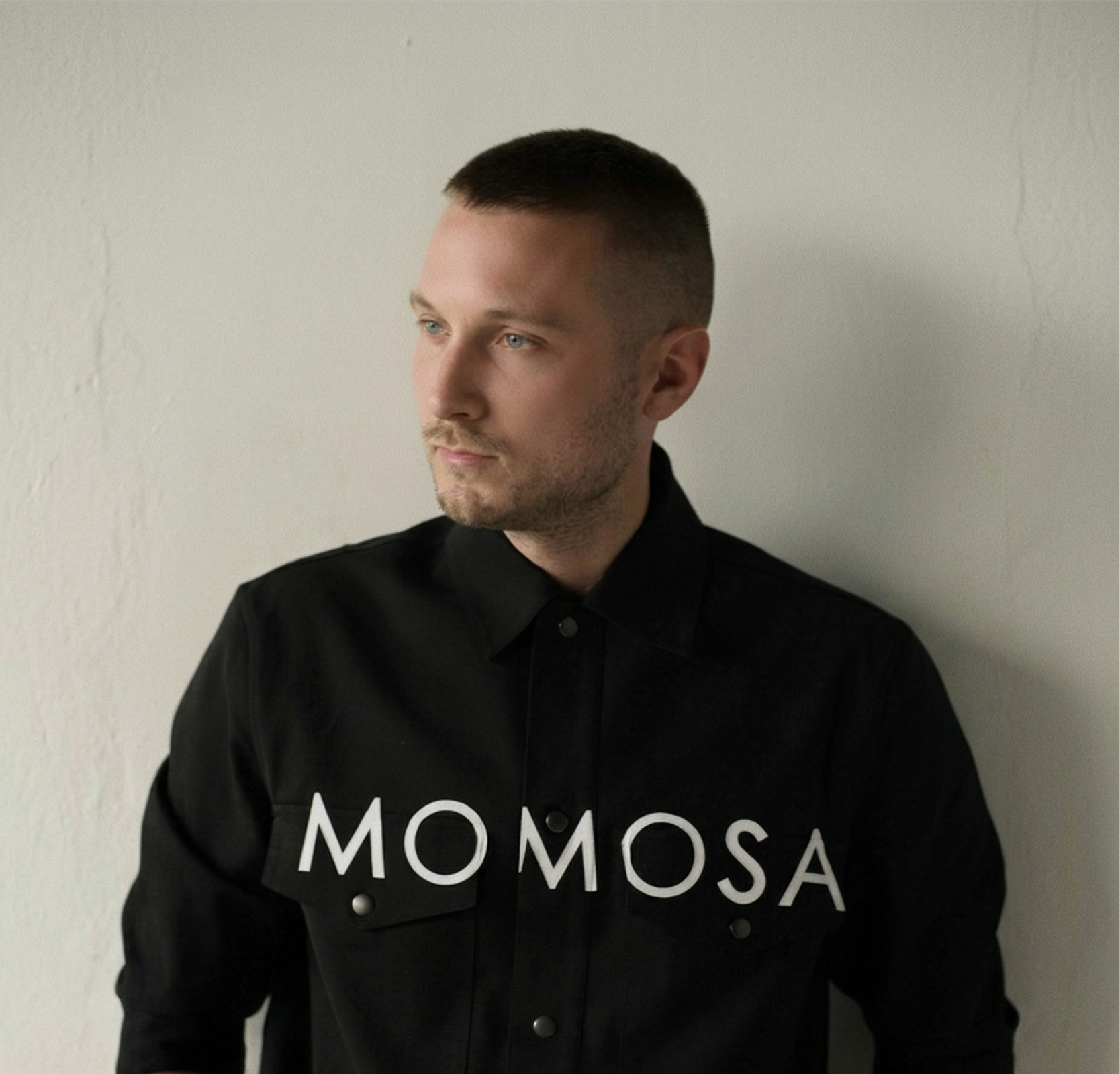
There are moments when fashion feels less like spectacle and more like something quietly considered. At a recent private presentation held in the Presidential Suite of the Kimpton Naluria Hotel in Kuala Lumpur, Serbian designer Mihailo Anušić introduced his label Mihano Momosa to a Southeast Asian audience in precisely that manner—intimate, composed, and deliberate.
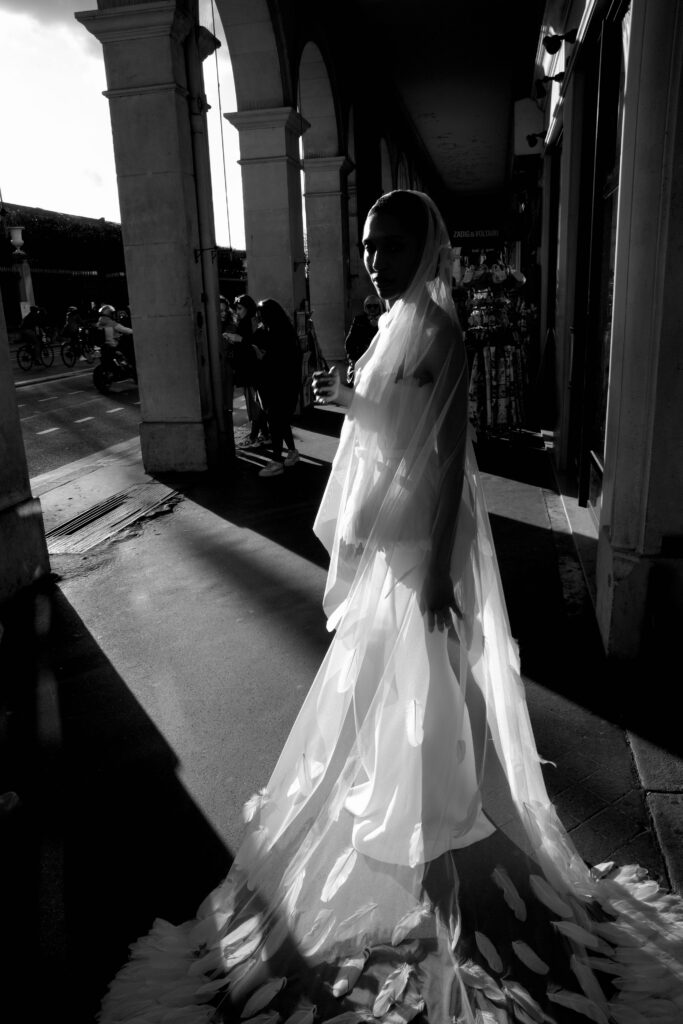
Presented through a series of exclusive trunk shows across Singapore, Jakarta, and Kuala Lumpur, the collection drew a discerning crowd, its appeal lying not in spectacle but in restraint. Known for its feminine silhouettes and couture-level craftsmanship, Mihano Momosa has built a reputation for blending romanticism with structure—pieces that feel both considered and quietly expressive. Represented in the region by Le Bon Aout, founder Vivian Quah describes the collaboration as something more than a retail moment. “Fashion today is no longer just about product—it’s about experience, emotion and connection,” she notes. “Bringing Mihano Momosa to Southeast Asia is about introducing a designer with a strong point of view and creating something personal and memorable.” We caught up with Mihailo during his time in Kuala Lumpur to talk about his beginnings, his evolving collection, and his definition of good taste.
On beginnings
How did you come into fashion, and when did Mihano Momosa begin?
Fashion came to me quite naturally, almost as an extension of my personality rather than a conscious career decision. From a very young age, I was drawn to beauty, elegance, and the emotional power clothing can carry. While I studied design, much of what I learned came through experimentation and intuition. Mihano Momosa was officially launched in 2011, though in many ways it had been forming long before that. The brand developed gradually, guided by a clear vision of femininity and refinement. I was never interested in chasing trends—I wanted to build something timeless. That idea continues to shape everything we do.
On identity and place
Where are you from, and where is the brand based today?
I am originally from Serbia, which remains central to my identity and creative sensibility. There is an emotional depth and authenticity in this region that continues to inspire me. While we operate internationally, our creative base is still rooted in Serbia. Staying connected to your origins brings sincerity to your work. At the same time, we maintain a presence in global fashion capitals through showrooms and presentations. That balance between local authenticity and international reach—is important to us.
On aesthetic
How would you describe your design language?
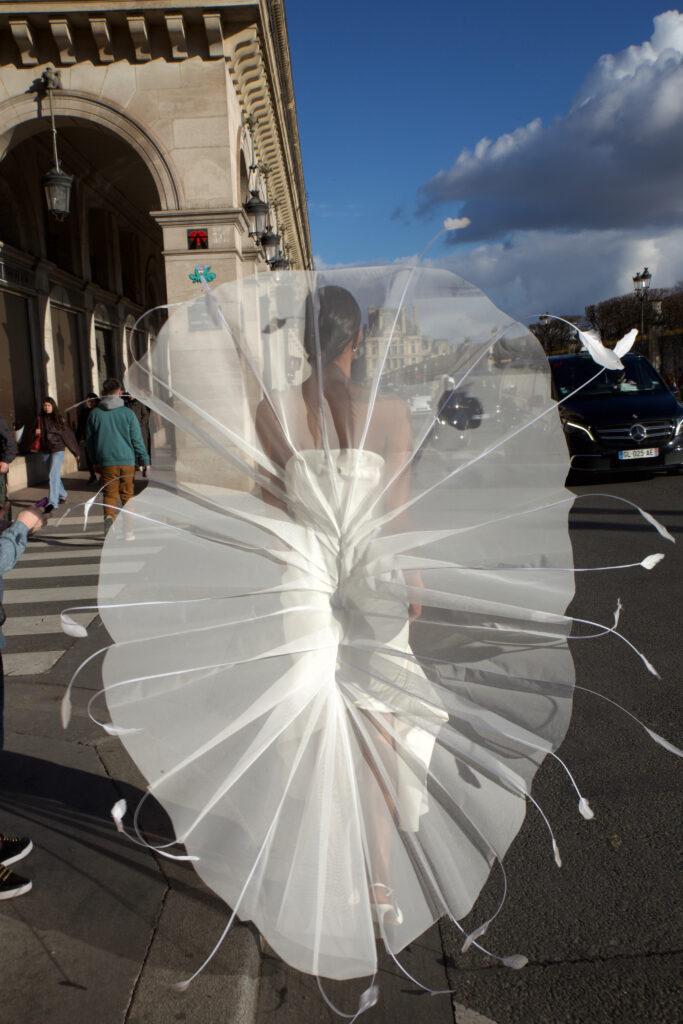
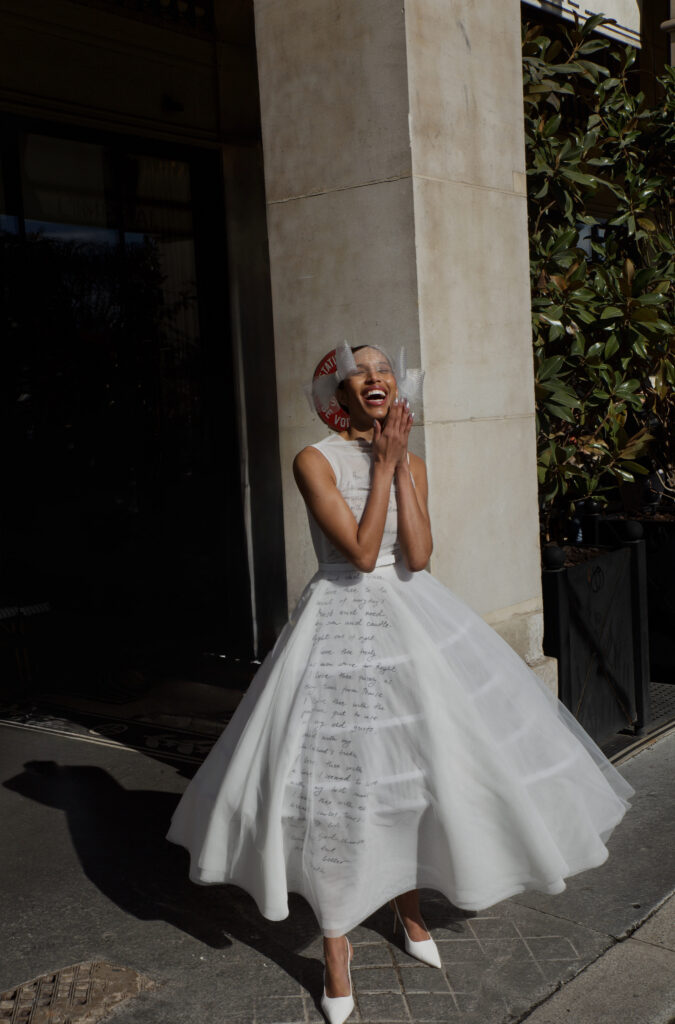
Our aesthetic is centred on timeless femininity and elegance. I am not interested in trends that come and go quickly—I prefer pieces that carry longevity and emotional value. The silhouettes are structured, but never rigid. There is always movement, softness, and a sense of grace. We place strong emphasis on craftsmanship, detail, and material. There is a romantic element to the designs, but it is always balanced with modernity. I see the Mihano Momosa woman as confident and aware of her presence. The clothes are there to enhance her—not to overpower her.
On influence
Who or what inspires you?
I don’t look to other designers—I prefer to build my own identity and tell my own story. Inspiration comes more from women than from fashion itself. Women who carry themselves with natural confidence and grace. It’s not just about how they dress, but how they move and express themselves. For me, icons are not necessarily public figures, but individuals with a strong sense of self.
On the current collection
Tell us about the collection presented in Southeast Asia.
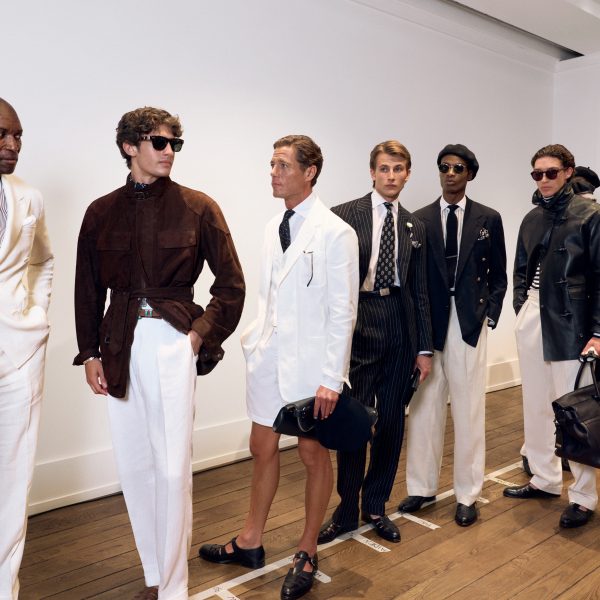
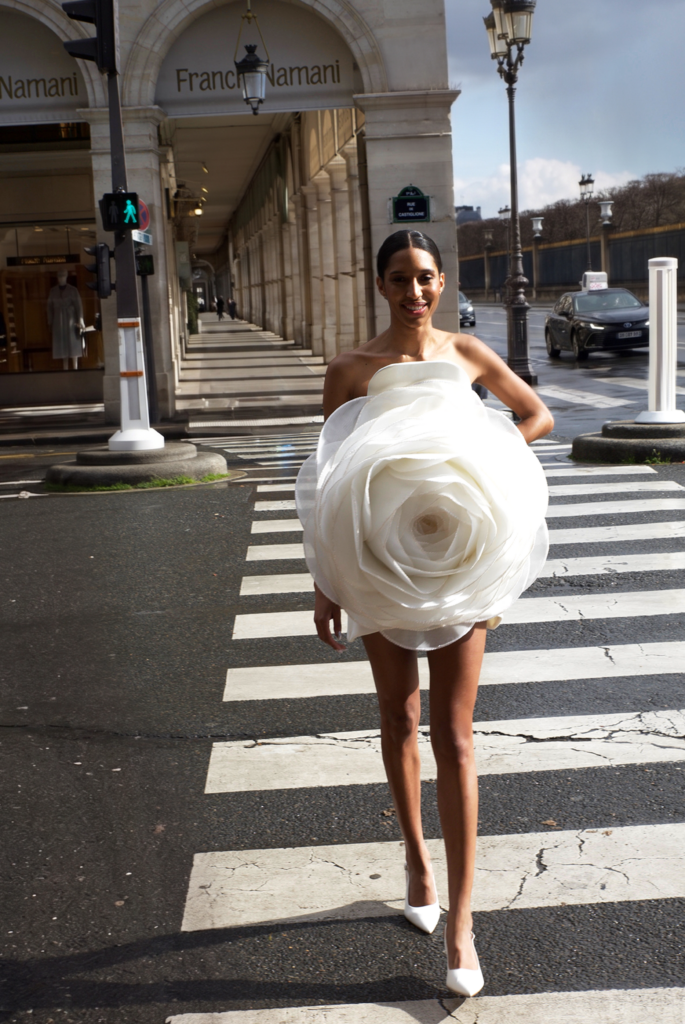
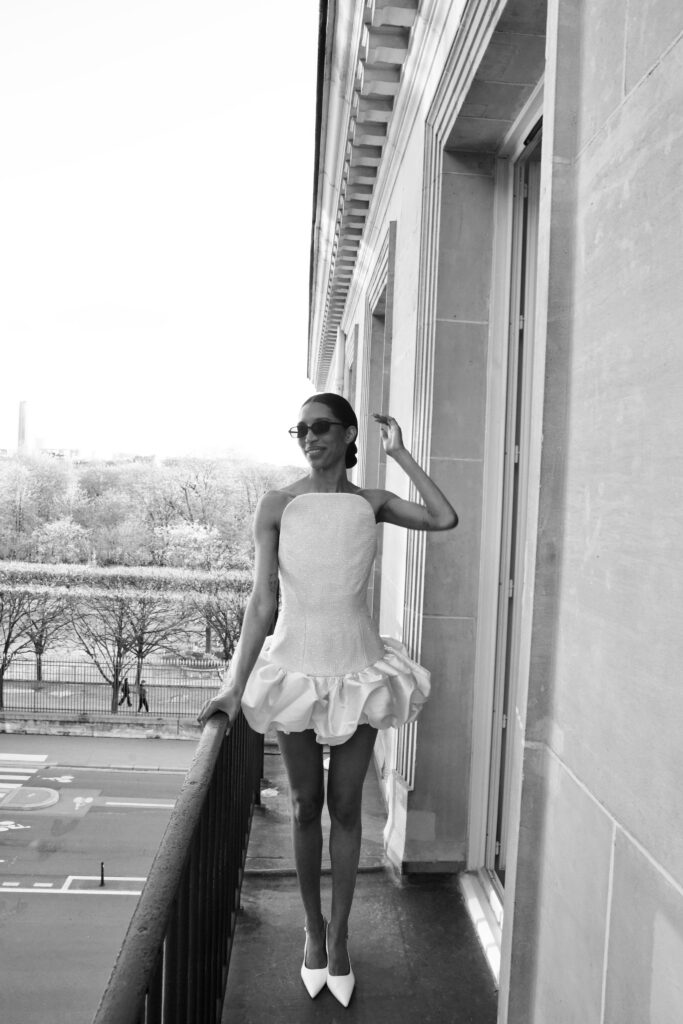
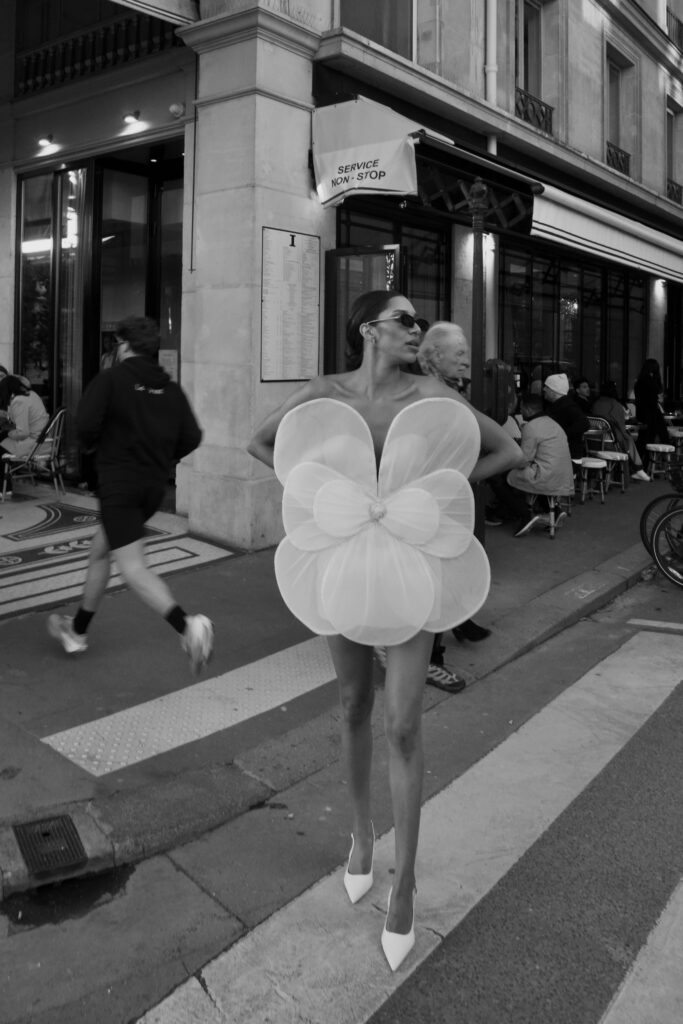
This collection continues our visual identity, but also moves it forward. It includes some of our most recognisable pieces, reinterpreted in a more contemporary way. We also introduced a new floral element, which brings both softness and a certain boldness. For the first time, we presented menswear, which was an important step. It allowed us to expand the brand while staying true to our core values. Overall, the collection reflects both continuity and evolution.
On process
Where does inspiration come from for you?
It comes mostly from emotions and moments rather than specific objects. Art, architecture, and travel all play a role, but everything is filtered through my own perspective. Sometimes it’s something very simple—a colour, a movement. The important thing is to remain open and observant. For me, creativity is an intuitive process.
On designing for men
How does menswear differ from womenswear for you?
Designing for women has always felt very natural, as it is deeply rooted in the brand’s DNA. Menswear requires a more restrained and structured approach. There is less room for exaggeration, so details become even more important. At the same time, I wanted the men’s collection to feel like a natural extension of Mihano Momosa. It’s a new chapter, but still connected to the same identity.
On consistency
Are there elements you return to again and again?
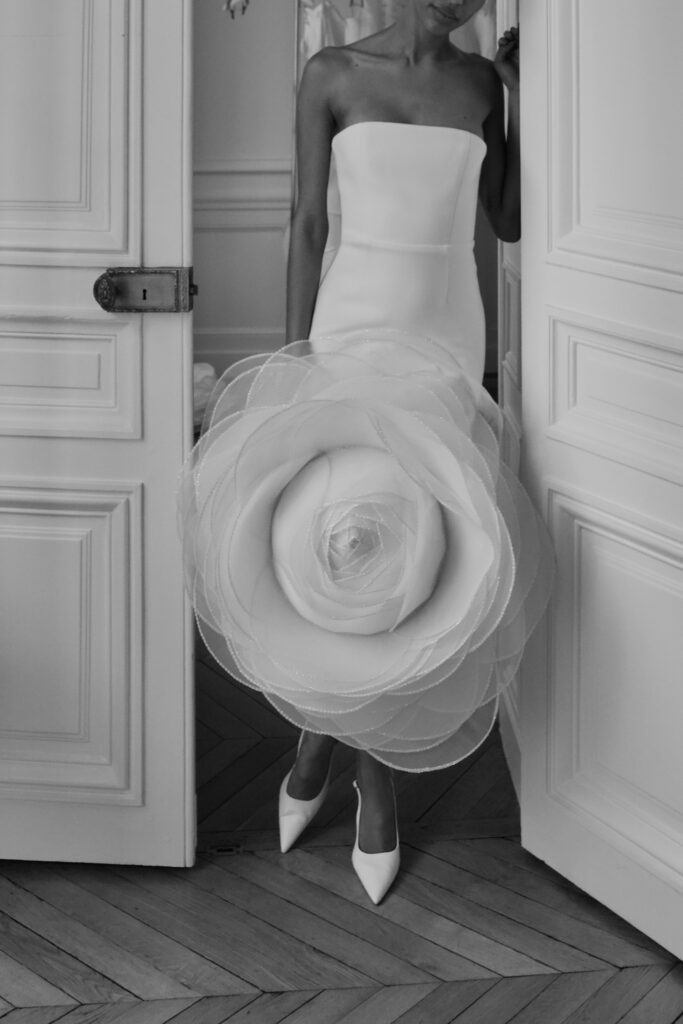
Yes—particularly neutral tones like white, beige, and pastels. They allow the form of the garment to stand out. I also gravitate towards fabrics that have weight and movement—materials that hold their structure but still feel fluid. Silhouette is very important to me, especially those that create a refined posture. There is always a sense of continuity in what we do, but I prefer refinement over drastic change.
On eveningwear
Your Kuala Lumpur presentation leaned toward eveningwear. Is that your preference?
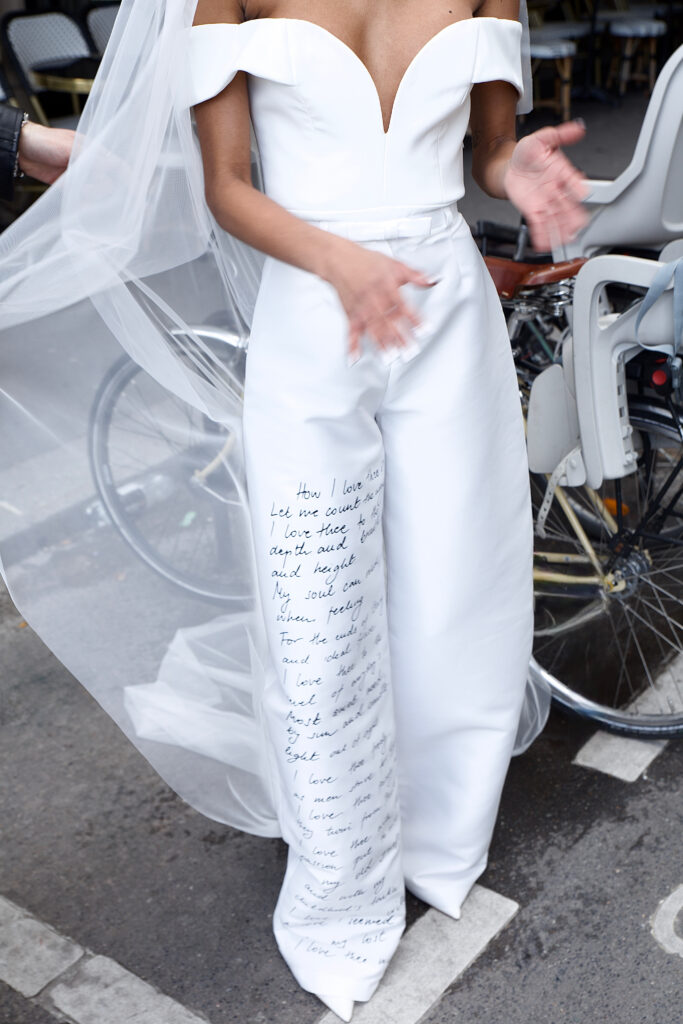
Eveningwear allows for a full expression of elegance. There is something special about dressing for a moment that carries meaning. That said, I don’t see elegance as limited to the evening. It should exist in everyday life as well. The difference is in intensity, not philosophy.
On style and taste
How do you define style and good taste?
Style is deeply personal—it cannot be forced. It comes from understanding yourself and feeling comfortable in your own identity. Good taste is about balance. Knowing when something is enough, and when it becomes too much. True elegance is never aggressive. It is quiet, confident, and effortless.
For more information, visit mihanomomosa.com