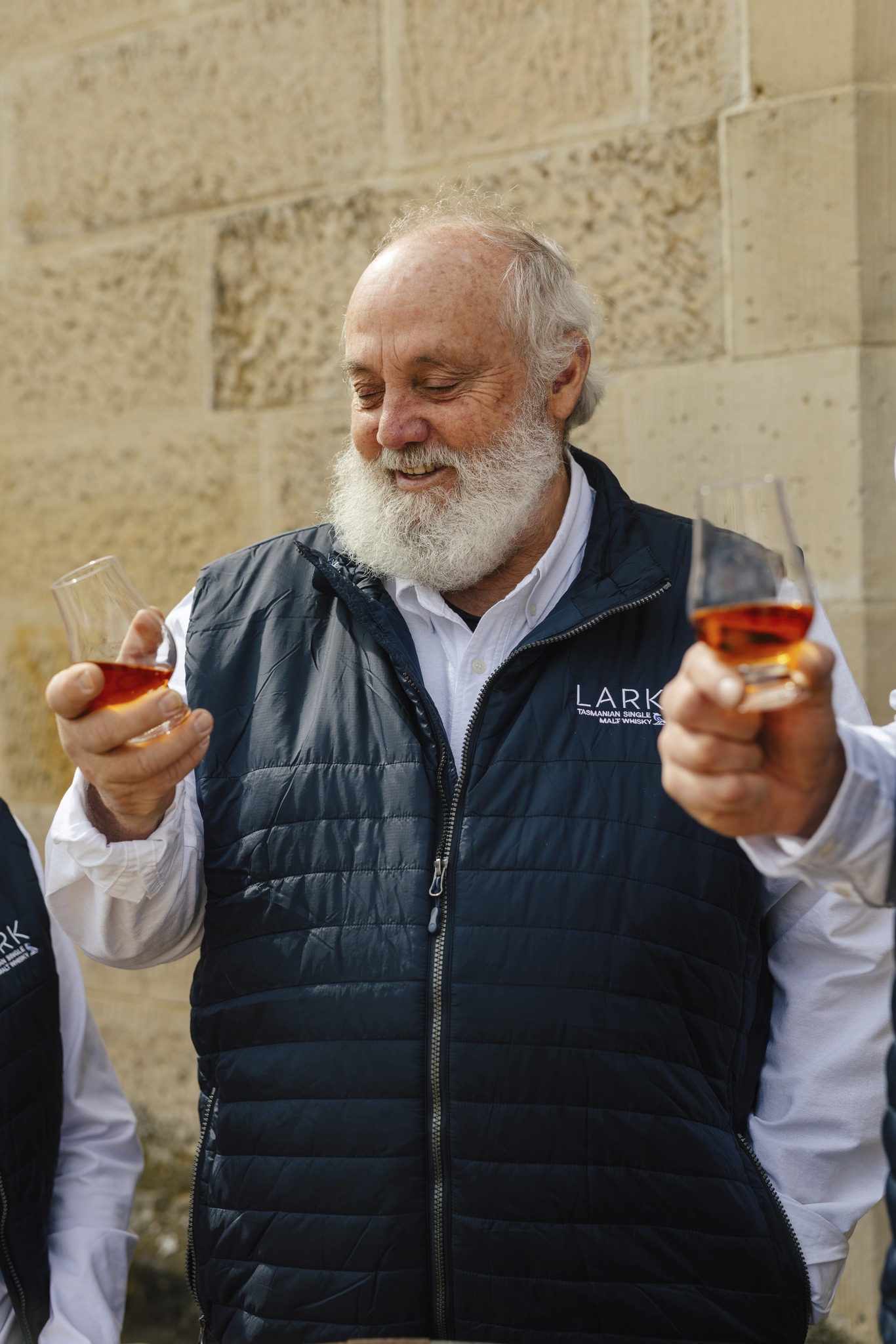
Bill Lark and Stuart Gregor on how a kitchen-table still in Tasmania became LARK, and why Southeast Asia got the new range first.
It started with a trout. In 1989, Bill Lark was up in Tasmania’s highlands with his father-in-law, barbecuing the catch, when the two of them landed on a question that sounds obvious now. Why was nobody making whisky on the island?
They had the ingredients: pure water, good barley, their own peat, and a climate Bill believed could produce something distinctive. “The challenge was whether we could capture the essence and purity of that place in a fine single malt,” he says, “to savour the memory forever.”
He took the idea home to his wife, Lyn. Her answer was short. “Well, let’s give it a go.” The first distillery was their kitchen table, with Lyn doing the botanical distilling and Bill the whisky. “She trusted that we could make something worth sharing,” he says, “which gave me the confidence to try.”
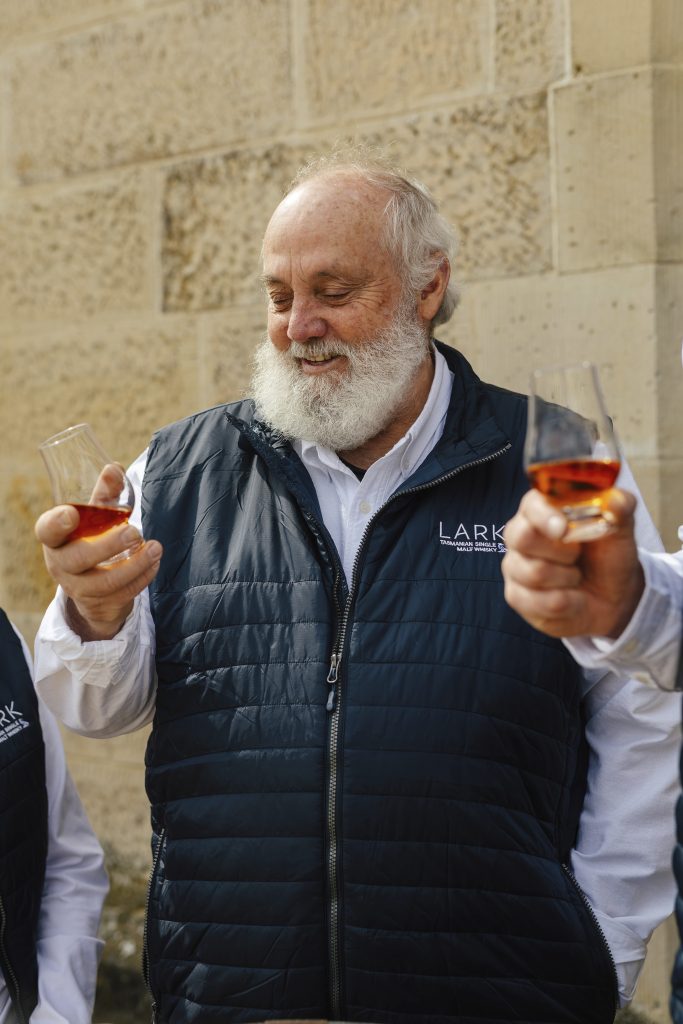
Then came the law. Distilling in Tasmania had been restricted since 1839, and the sticking point, as Bill tells it, was the Distillation Act, which required a minimum still size of 2,700 litres. Nobody was going to run that on a kitchen table. He and Lyn had started out simply curious, but they were, in his word, stymied by regulation. So they went to their local member of parliament, who went to the minister in Canberra, and the legislation was amended so a small still could be licensed. In 1992, customs officers came to the Larks’ house to issue the first licence. “It was a very exciting day,” Bill says.
Help came from an unlikely direction. In the early 1990s, John Grant of Glenfarclas in Scotland rang Bill late one night and offered his guidance. Grant’s view was that if someone’s first experience of whisky is a good one, they might go on to explore the whole world of it. Bill never forgot that. When newer distillers such as Casey Overeem came to him for help years later, “those words were ringing in my ear.”
In 2009, LARK won Best Whisky Outside Scotland & Ireland against a field of whiskies from around the world. Bill calls it “a huge turning point”, and not only for the distillery. It was validation for Tasmania, and proof that “exceptional whisky can come from unexpected places.”
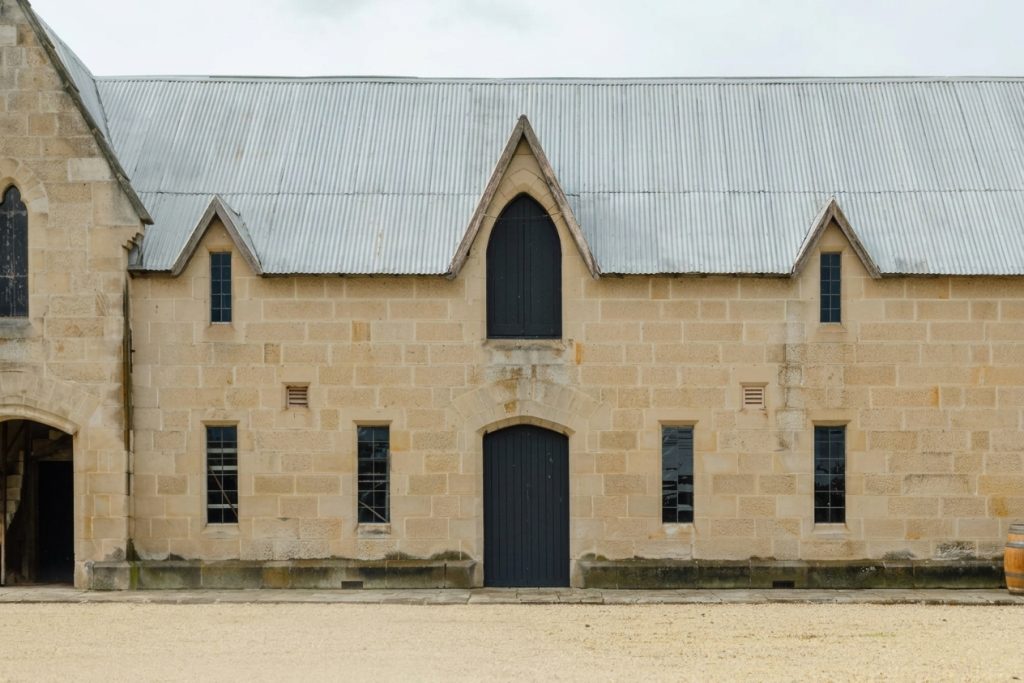
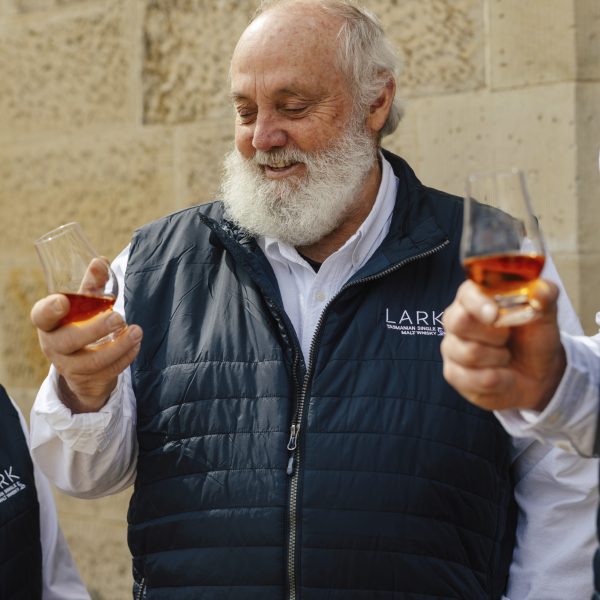
These days Bill no longer runs the place. He hosts tastings and acts as the brand’s ambassador. When Stuart Gregor became CEO, he tells me, one of the first things Stuart did was come down and taste all the new whiskies with him. His advice to anyone in Southeast Asia starting something where the rules look stacked against them comes straight from those early years. “We really had no idea how to make whisky, so we set about learning.” When regulation got in the way, they questioned it and found people willing to help. If a whisky wasn’t good enough, they didn’t release it. On his own, he says, LARK might have remained a novelty. “Our eagerness to help each other has really been the basis of our industry for the last 30 years.”
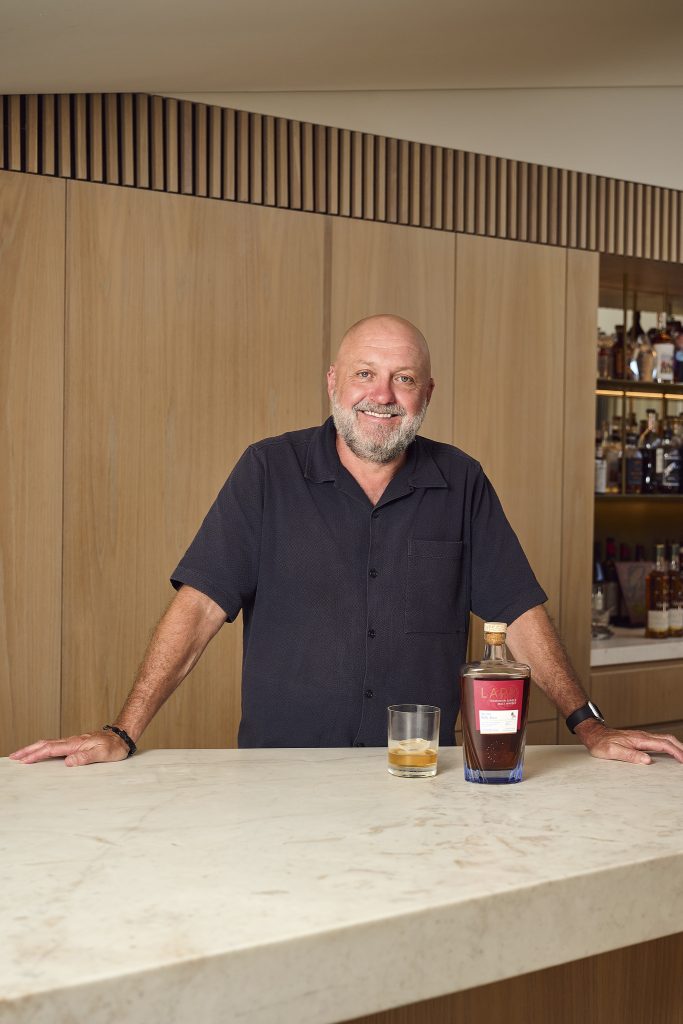
Stuart took over as CEO on 1 January 2026, after a stretch on the board and, before that, years building Four Pillars Gin into a brand sold in more than 30 markets. Ask what gin taught him and he talks about having a point of view. “Four Pillars succeeded because it felt distinctly Australian, not an imitation of a London Dry gin.” The same logic applies to whisky. “We’re not trying to replicate Scotch or Japanese whisky. The opportunity is to lean further into what makes Tasmanian whisky unique.”
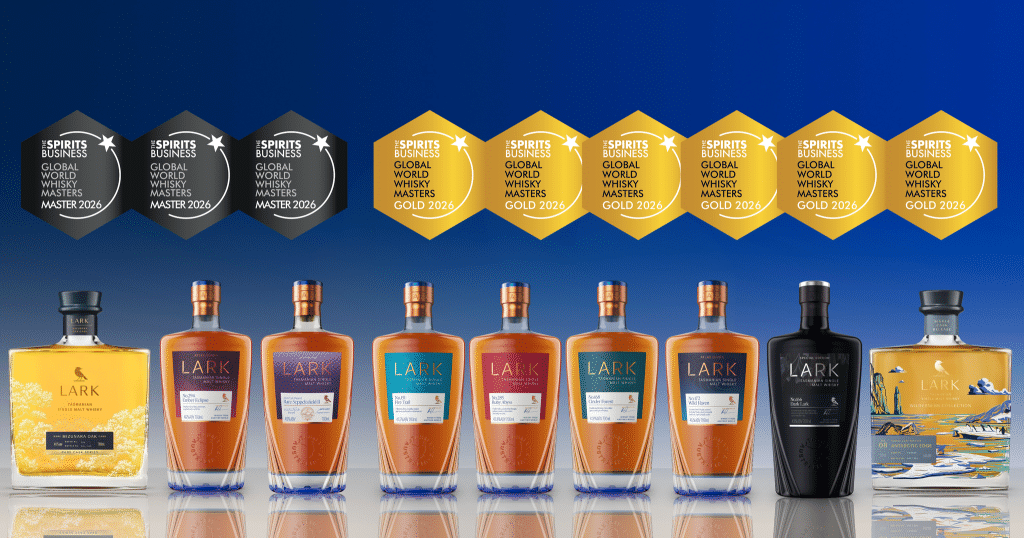
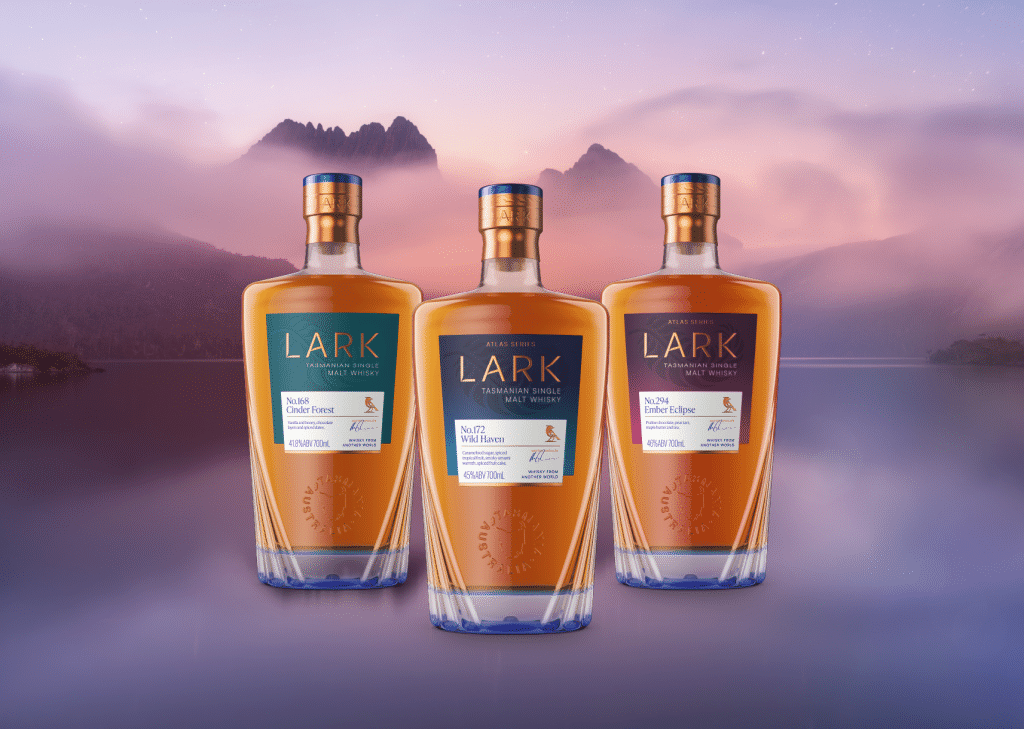
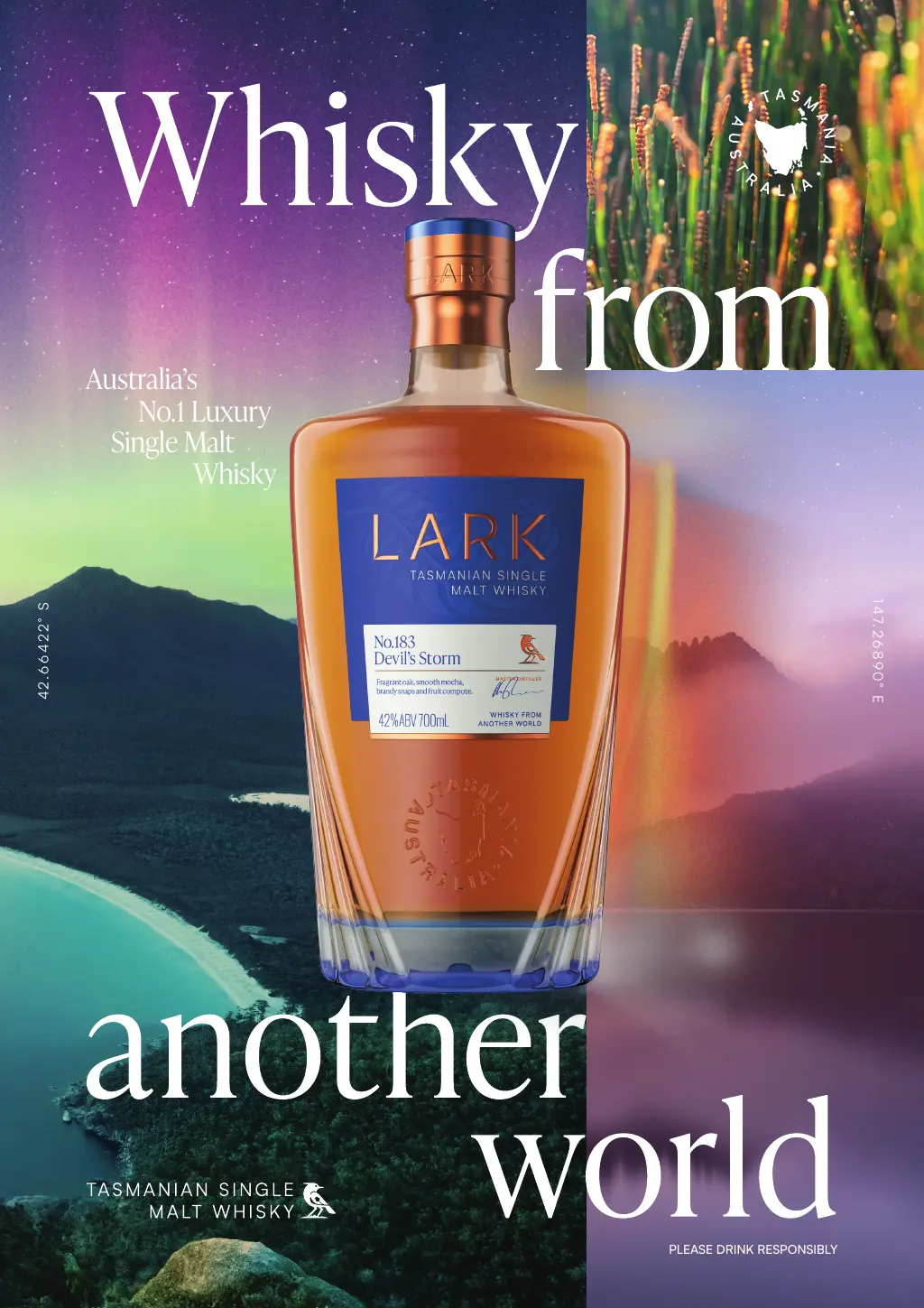
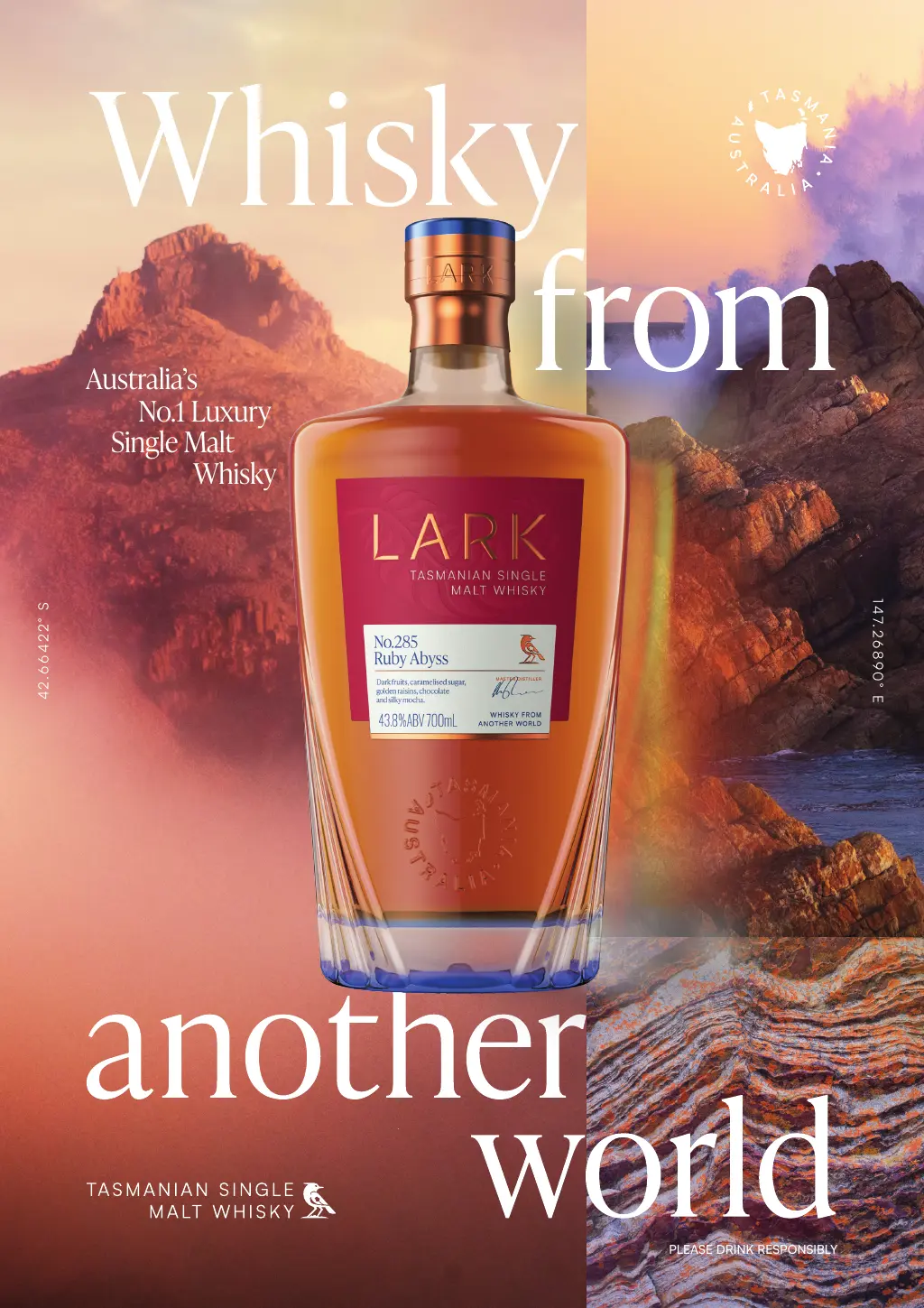
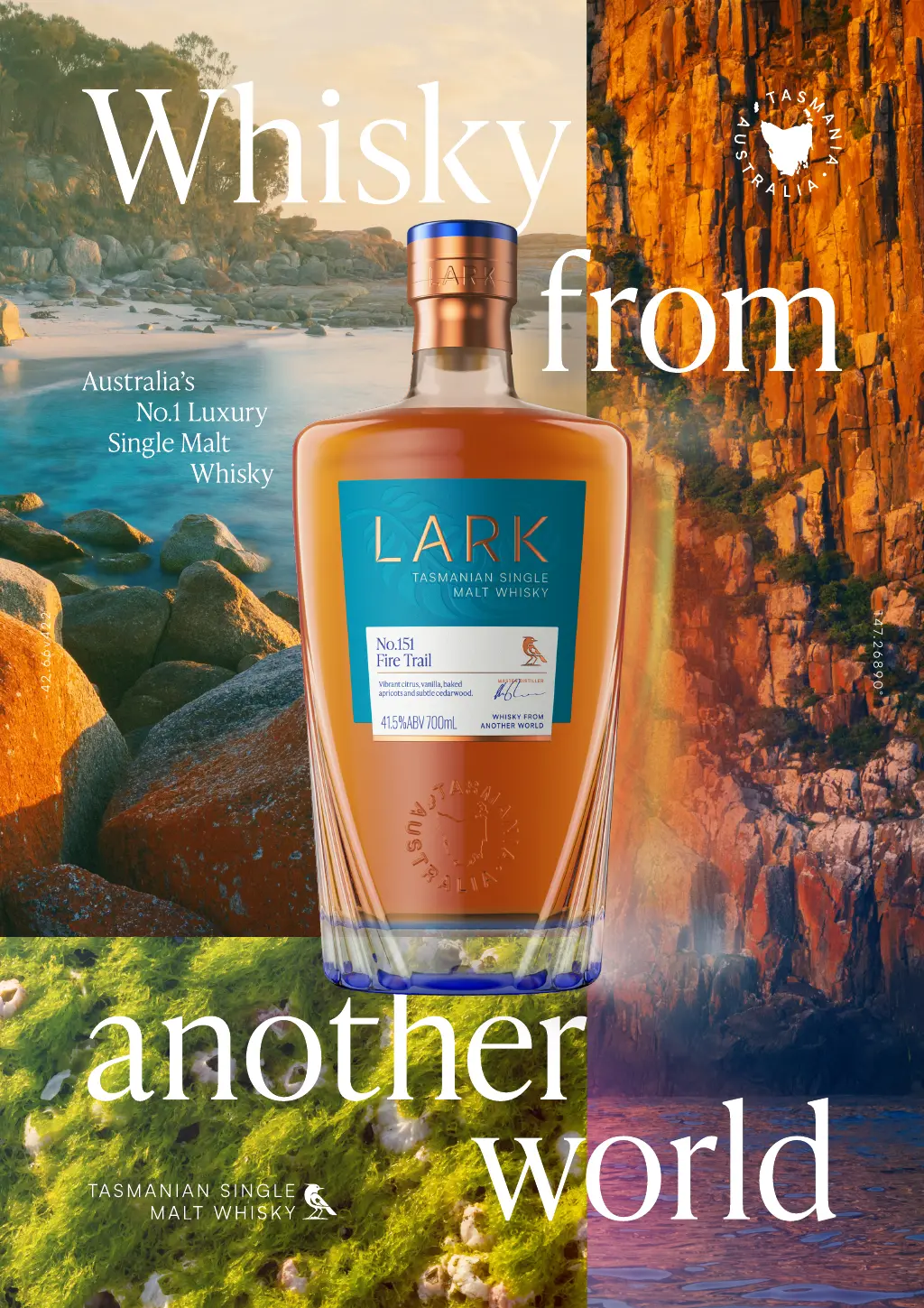
He says he didn’t arrive wanting to change things. He loved the origin story, the way LARK captures Tasmania, and the whisky itself, and he wanted to back the team already in place. The big move of the year was the new collection: Fire Trail, Devil’s Storm and Ruby Abyss, with Cinder Forest kept for travel retail. It came in a redesigned 700ml bottle, “made to turn heads in bars, retail and duty free.”
Southeast Asia saw the range first, and Singapore is where Stuart starts. “For us, everything in Asia begins here,” he says. “Singapore is where you build credibility.” He began selling Four Pillars there around 2014, and he says more people now order LARK at a bar without being told to. In June, LARK opened its first duty-free door in Asia, with Lotte Duty Free at Changi.
Part of what he is selling is the island itself. Australians already know LARK and Tasmania. In Asia, Stuart says, Tasmania “still holds a sense of the unknown and a certain mythos”, which makes for an intriguing story. Drinkers are also better educated than they used to be, and always looking for new brands and new regions.
For a Malaysian reader, the detail to note is that Malaysia was one of the first places in the world to see the new collection, unveiled to media in Kuala Lumpur in January. Stuart describes Malaysia and Singapore as sophisticated but open-minded, with drinkers “genuinely interested in New World whisky, not only the regions that have historically dominated the category.” LARK already has a presence here, and the plan leans on brand-building, education and on-ground experiences, working with bars, hotels, members’ clubs and distributors.
Ask what being a leader in New World whisky means and he gets ambitious. Commercial growth matters, he says, but so do cultural relevance and long-term credibility. Like Penfolds, he wants LARK to “define a distinctly Australian style on the global stage.” His evidence that the liquid is ready is this year’s World Whisky Masters, where LARK won nine medals, three of them Masters, with every whisky entered recognised. “That tells us the liquid stands up anywhere in the world.” He would like to hear more people abroad talk about Tasmanian whisky the way they talk about Japanese whisky, as a serious category with its own identity.
He calls himself a storyteller first, and he adjusts the story to the room. In Hobart, people already understand LARK, so the conversation is different. In Houston, “it’s often about introducing Tasmania, and Australian whisky, for the very first time.” Either way it comes back to the Larks, whose contribution to Australian spirits he says “remains unmatched.” And to the island. “Not everyone can make it to God’s Country, so our role is to take a little of Tasmania’s magic to them.”
The brand’s line is whisky from another world. Bill’s one-sentence version is that it’s “the magic of Tasmania distilled.” Asked which single bottle a newcomer should try first, both men give the same answer: Devil’s Storm. Bill likes its balance, Tasmanian malt touched delicately with Tasmanian peat and given the right time in some of the best Australian fortified wine casks. Stuart calls it “the purest expression of what we are trying to do at LARK.” He has serving ideas, too. Neat, in an Old Fashioned, or poured over a fresh oyster from Boomer Bay, “or somewhere closer to home if you’re not in Hobart!”