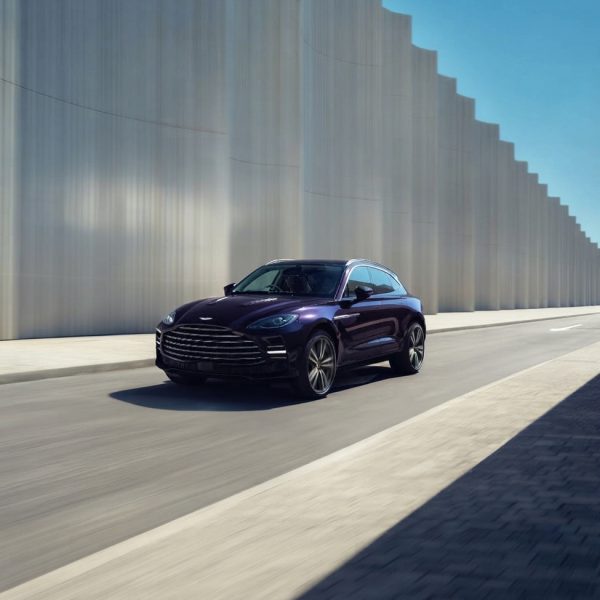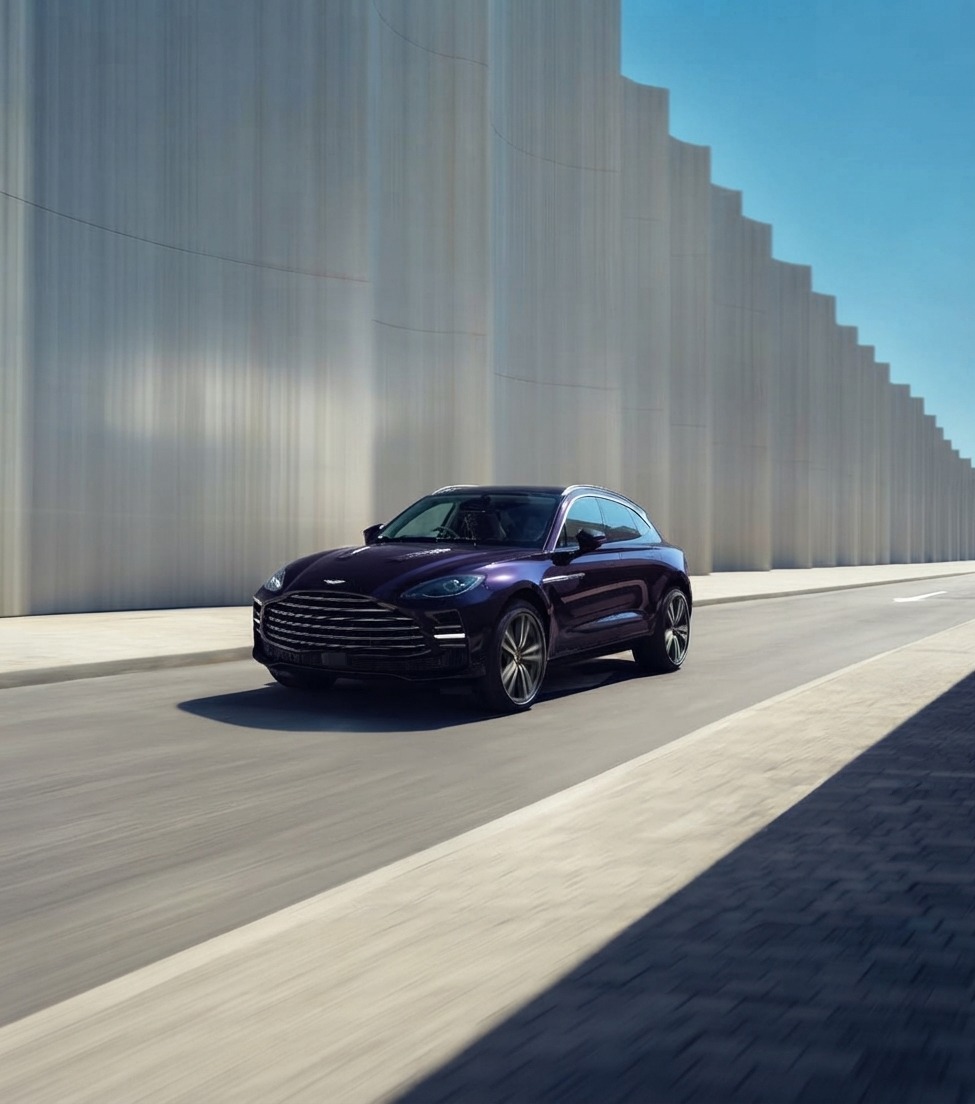
Most fast SUVs want you to know exactly how fast they are. Aston Martin’s new DBX GT keeps the twin-turbo V8 of its louder sibling, then pours its effort into seats, silence and the fine art of not showing off.
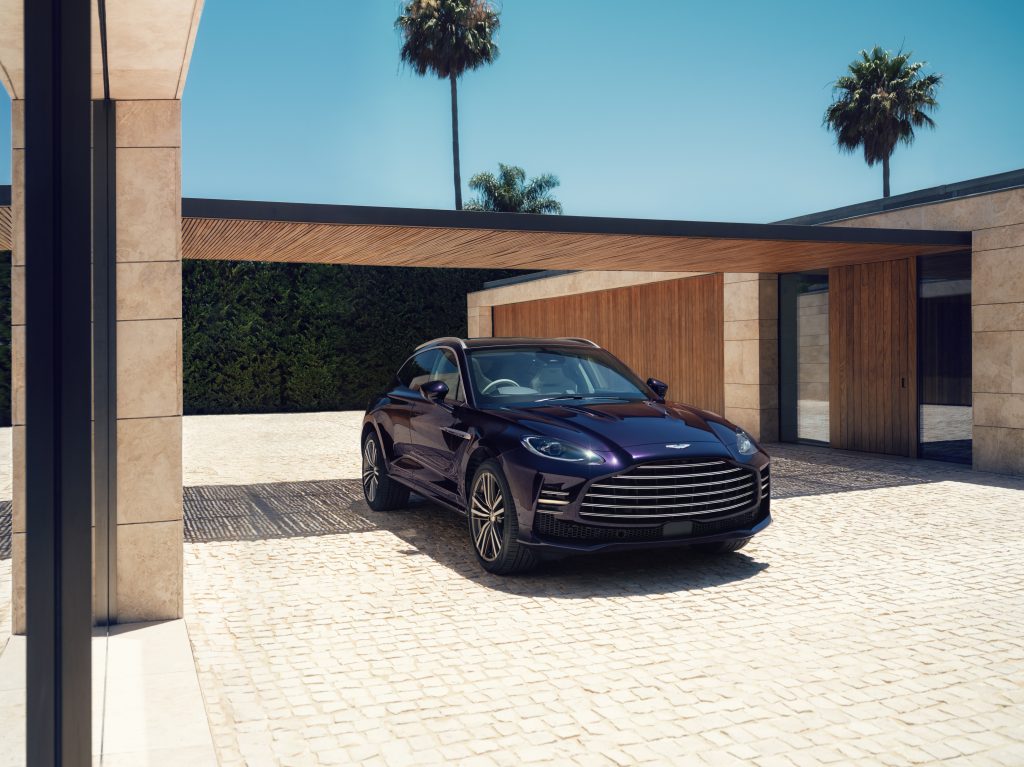
Carmakers will measure almost anything. Power, torque, lap times, the seconds needed to reach 60mph. Far fewer will tell you about the Articulation Index, the industry’s score for how easily two people can hold a conversation in a moving car. Aston Martin has, and for the new DBX GT it quotes a 13 per cent improvement. That one figure explains most of what this car is trying to be.
Unveiled on 1 October from the company’s base in Gaydon, the DBX GT joins the performance-minded DBX S to give Aston Martin’s SUV range a second personality. Where the S is assertive, the GT aims to be assured. The letters have long meant grand tourer in this business, a car built to cover distance in comfort, and the logic carries over neatly. CEO Adrian Hallmark describes the target customer as someone who prefers “assured elegance over sporting aggression”, which is a polite way of describing a driver who no longer feels the need to prove anything at traffic lights.
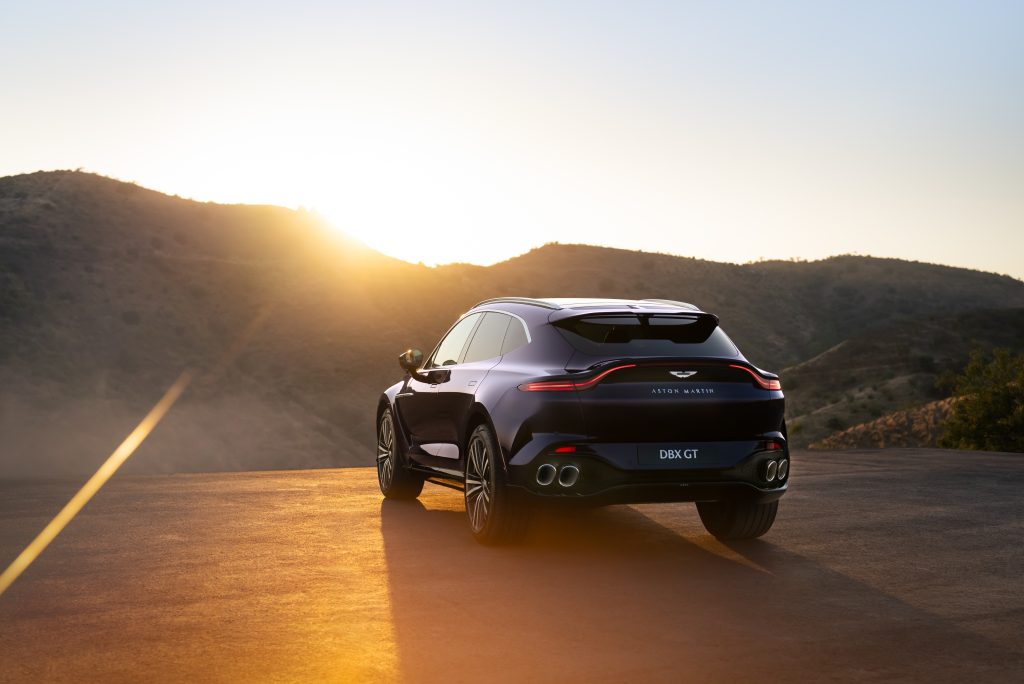
And yet nothing has been taken away. Under the bonnet sits the same bespoke 4.0-litre twin-turbo V8 as the DBX S, producing 727PS and 900Nm of torque, with turbocharger technology shared with the mid-engined Valhalla supercar. Zero to 60mph takes 3.1 seconds and top speed is 193mph. The carbon ceramic brakes, 420mm at the front and 390mm at the rear, carry over unchanged. Aston Martin says the GT shares with the S the title of world’s most powerful pure internal combustion SUV, which is the company’s own description and worth treating as such.
What changes is the volume. A dedicated exhaust tune mixes the gas flow twice inside the rear muffler to remove harsh metallic frequencies, and in GT mode the car makes discreet progress. Select Sport or Sport+ and the full voice returns. It is, in effect, a V8 with a volume dial, and a sensible acknowledgement that the same owner may want both on the same day.
The calibration work extends to the driver’s right foot. The throttle pedal has been refined so that each measured input draws a proportionate response from the powertrain, and the nine-speed automatic has been tuned for smoother, more consistent shifts, from lazy city crawls to full-throttle enthusiasm. The faster steering ratio of the DBX S is retained, along with a turning circle of just 12.0 metres, so the car stays quick on its feet and easy to place in town.
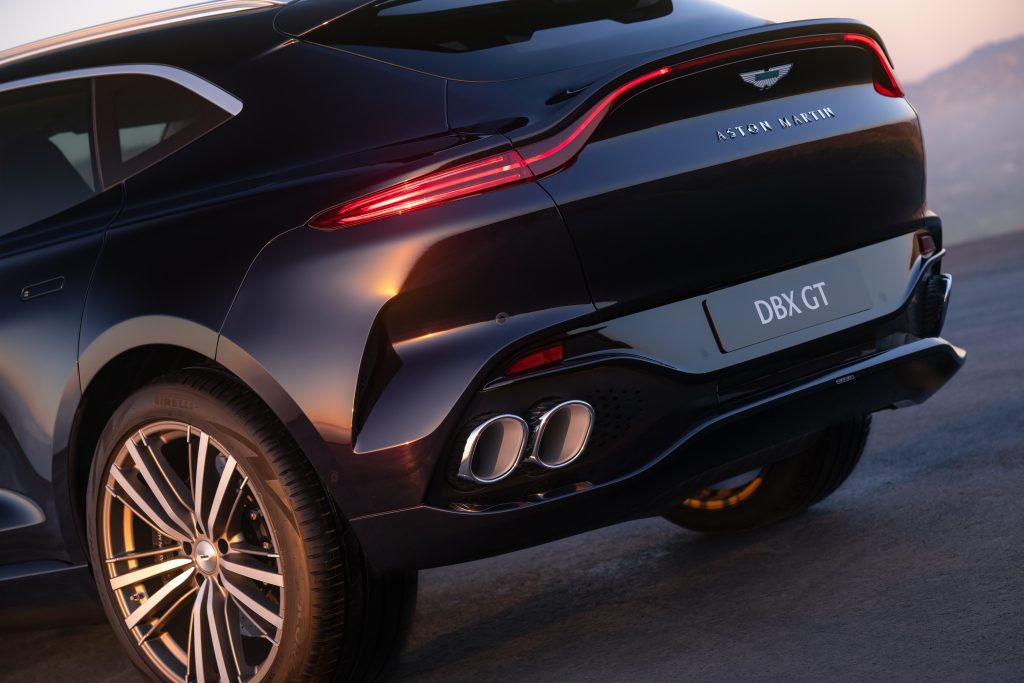
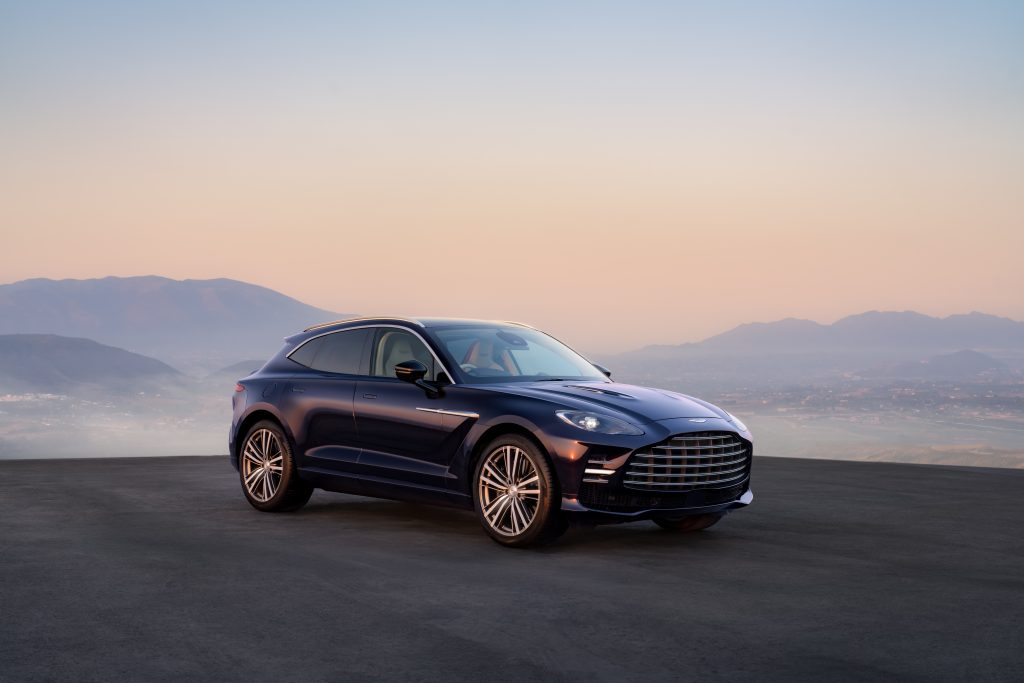
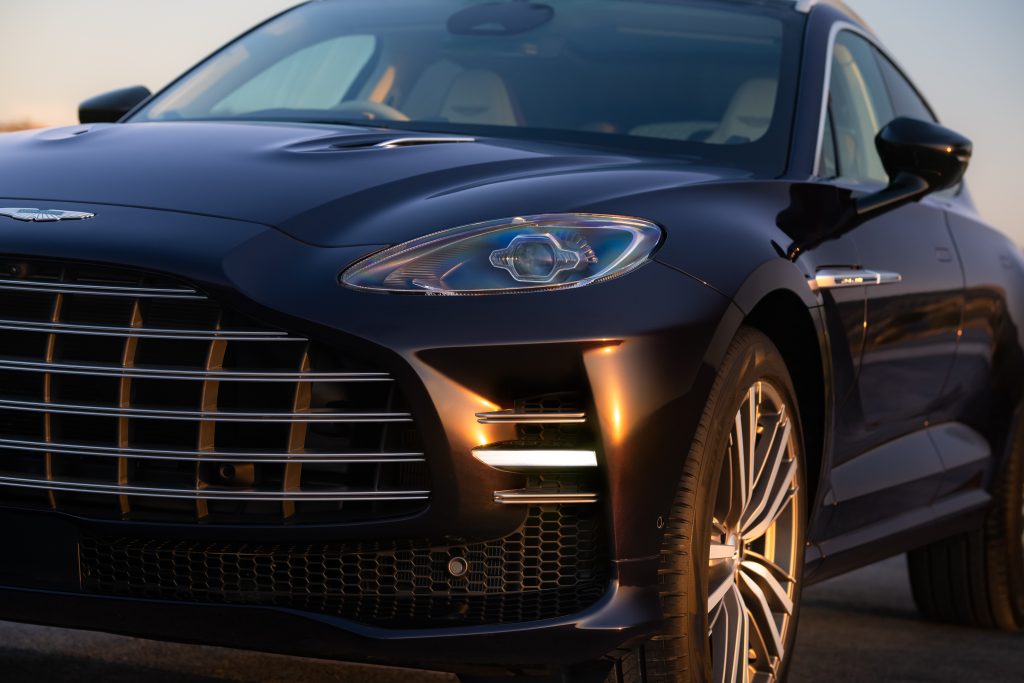
The styling follows the same restraint. A new double-vaned grille runs out into the side vents, and the side strakes now come in two pieces, polished and satin, a finish Aston Martin says draws on traditional watchmaking. The lower bumper, sills and rear diffuser are painted in body colour as standard. The standard wheels are 22-inch forged units on all-season tyres, chosen for ride comfort and low road noise; anyone who wants a sharper stance can specify 23-inch. Chief Creative Officer Marek Reichman says every Aston Martin balances luxury and performance, only in different proportions, and that here the proportion tips towards what he calls “quiet charisma”.
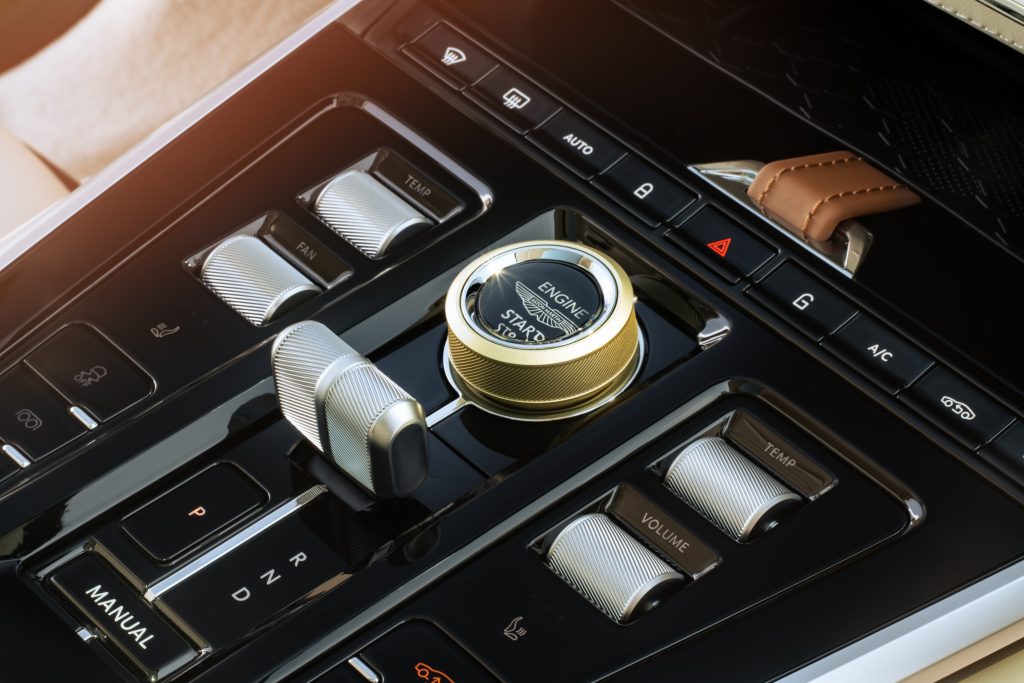
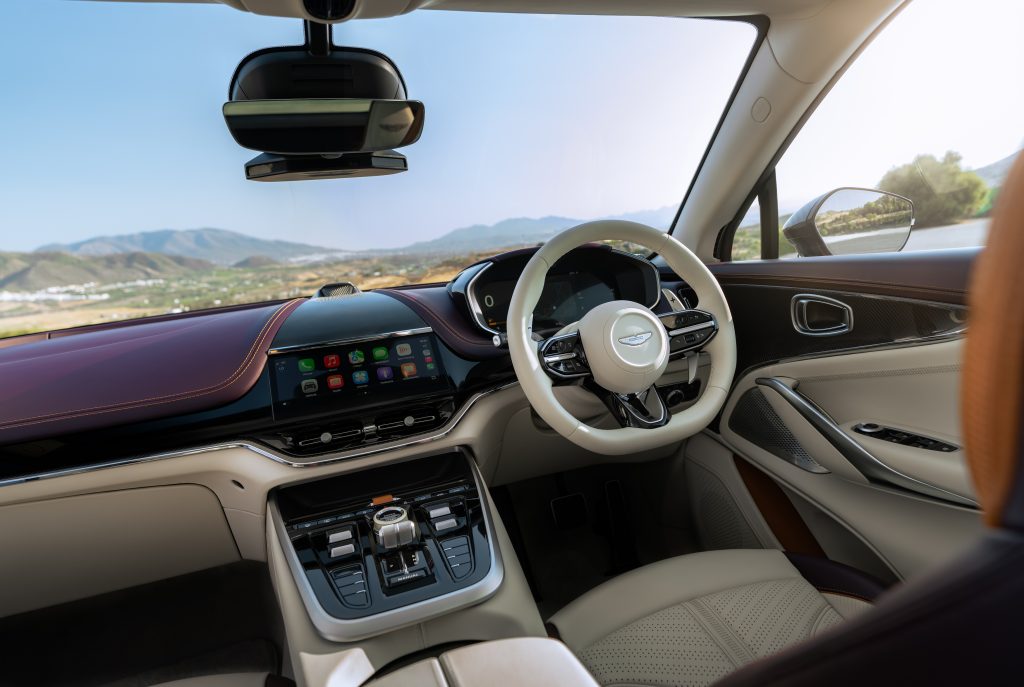
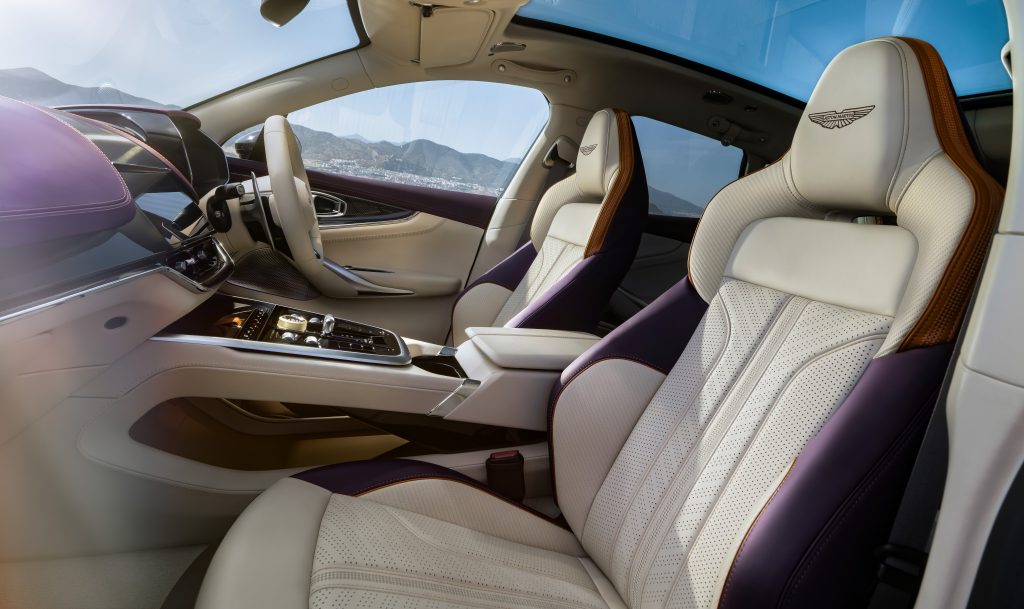
Inside is where the GT does its talking, quietly. Each front seat takes more than four and a half hours of craftsmanship, 691 metres of thread and 3,297 perforation holes. A 10mm layer of memory foam has been added to the cushions, the bolsters reshaped, and the rear seats sculpted into two individual positions, though five-seat capability remains. A panoramic glass roof is standard, the leather is semi-aniline, and the drive mode selector and secondary switchgear are machined from anodised metal in what the company calls a jewellery-quality finish.
The refinement work is mostly invisible, which is rather the point. A car with a kerb weight of 2,245kg has a great deal of mass to keep civil, and Aston Martin has gone after the noise at its source: revised body structure and cabin sealing, sound deadening in the doors, wheel arches and load space, and acoustic laminated glass at the rear. The suspension gains a new damper valve system designed to filter the fine, high-frequency vibration of coarse tarmac or rumble strips, while the spring rate shifts with the selected drive mode to keep the car composed through corners. A stiffer transmission mount bush and two new longitudinal dampers, both lessons from Valhalla, tighten the link between body and rear subframe. Chief Technology Officer Ian Hoban frames the whole exercise as small hardware changes and careful calibration, achieved without losing the handling the DBX is known for.
First deliveries of the DBX GT are scheduled to begin in the fourth quarter of 2026.
Somewhere beneath all that quilting is a V8 that will do 193mph. The DBX GT simply has the grace not to bring it up.